
Intermittent fasting isn’t just a trendy hack—it’s a tool for discipline and stewardship, with roots deeper than you think.
Faith, Food, and Fasting: How Intermittent Fasting Can Honor God (and Actually Work)
Let me paint a picture: It’s 8 p.m. on a random Tuesday. You’re staring down that last slice of pizza. You’re not hungry—just bored, worn out from a long day, maybe even feeling a little entitled to some comfort. (Been there, trust me.)
But what if, instead of giving in, you saw this moment as an opportunity—a chance to train your body, yes, but also your will? That’s where intermittent fasting comes in. And no, I’m not talking about trying to earn God’s favor with food rules. But I’ll get there.
What is Intermittent Fasting, Anyway?
It's not a diet in the “eat-this-not-that” sense. Intermittent fasting (IF) is more about when you eat than what you eat—limiting eating to a specific window each day, like 16 hours fasting, 8 hours eating (the 16:8 protocol is the classic starter). Other folks do 18:6, or even 24-hour fasts on occasion. The key is consistency and finding what fits your actual life, not someone else’s Instagram feed.
Real food. No shortcuts. No compromises.
Science: Not Magic, Just Stick-to-It-iveness
Why try it? Well, the science says IF can help with fat loss, improving insulin sensitivity, and even dialing down inflammation (which a lot of us could use in our forties and beyond). Some folks feel sharper mentally—myself included. When I first tried a 16:8 routine, I expected to be a hangry mess by noon. But after the first week, I realized I felt less sluggish, even focused come lunchtime workouts. Turns out, not eating all the time makes your body pretty efficient at burning through stored fuel.
And, to be real, it’s just simpler. Less time meal prepping, fewer dishes, fewer opportunities to snack out of boredom. (Is mindless snacking anyone else’s biggest enemy?)
The Heart of the Matter: Discipline as Worship
Now, here’s where it gets interesting for us as believers. Fasting isn’t just a biohack—it’s woven through the whole story of Scripture. From Moses to Daniel to Jesus in the wilderness (Matthew 4:1-2 NKJV: “Then Jesus was led up by the Spirit into the wilderness… And when He had fasted forty days and forty nights, afterward He was hungry.”), fasting was never about the physical alone. It was about dependence, humility, and discipline.
R.C. Sproul put it like this: “The discipline of fasting helps us focus on the things of God.” There’s no magic in skipping breakfast, but training your will to say “no” to a legitimate desire can shape your heart for bigger battles.
“Faith, Food, and Fasting: How Intermittent Fasting Can Honor God (and Actually Work) Let me paint a picture: It’s 8 p.m.”
But Should Christians Even Care About IF?
Worth asking, right? We’re not under Old Covenant food laws, and Christ fulfilled the ceremonial requirements. But in a world of instant gratification, practicing self-control—even in seemingly small ways—reminds us that our bodies (and desires) are not the boss. Paul says, “I discipline my body and bring it into subjection…” (1 Corinthians 9:27 NKJV). The goal isn’t legalism; it’s living free, with food in its proper place.
Getting Started (Without Losing Your Sanity—or Friends)
-
Pick Your Window: Try 16:8 first. Stop eating after dinner. Have your first meal around noon. Only water, black coffee, or plain tea till then.
-
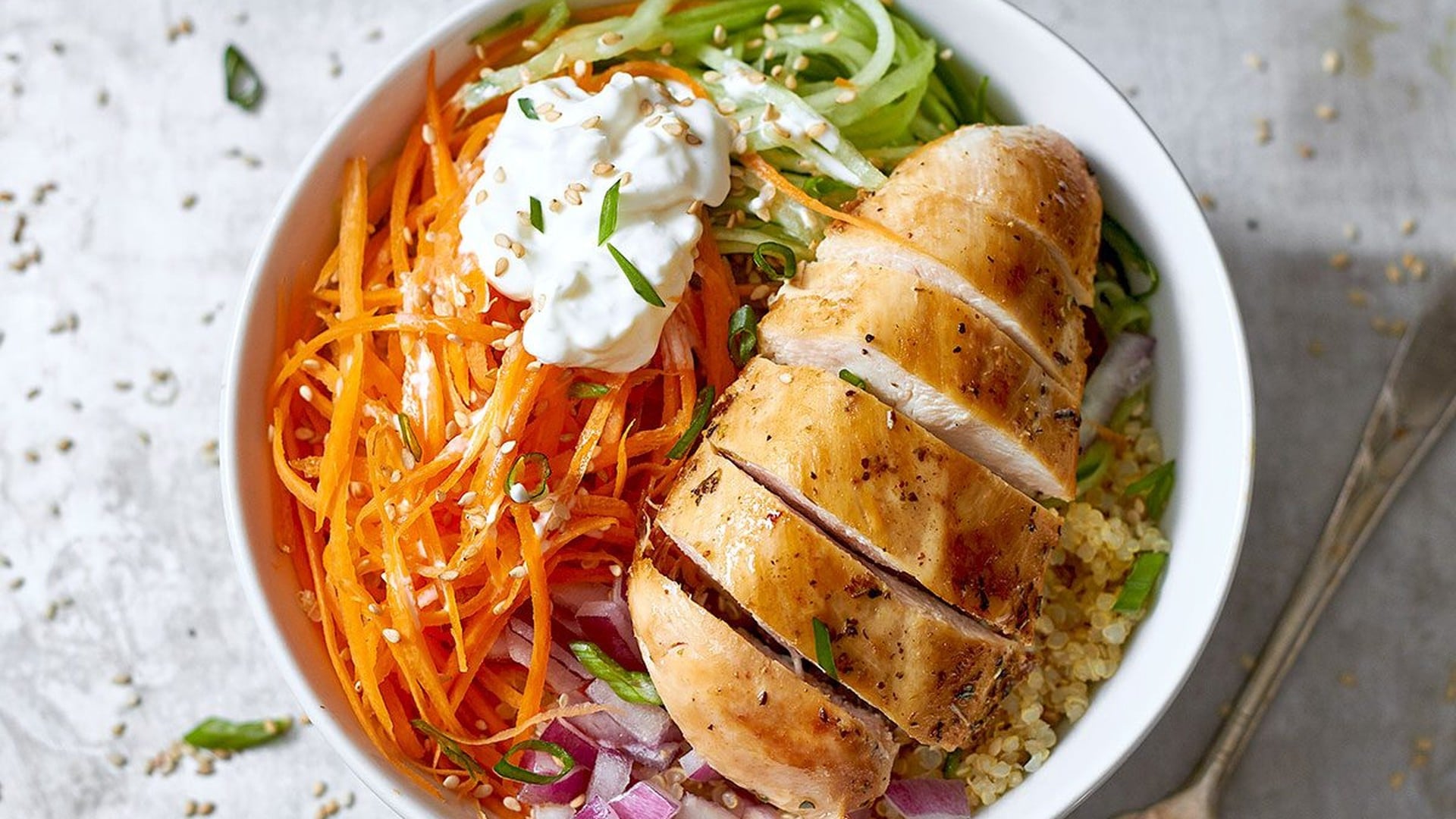
Don’t Overthink Your Meals: In your eating window, shoot for real food. Protein at every meal. Lots of veggies. Some fruit. Enough carbs to fuel your workouts, but not so much you need a nap after.
-
Stay Hydrated: You’ll need more water than you think. (I aim for half my bodyweight in ounces a day.)
-
Grace Over Guilt: Missed a day? Broke your fast at 10am with a donut? No condemnation here—just pick up where you left off. This isn’t about perfection.
-
Supplements: If you train fasted, consider your electrolytes. And if you’re using something like MissionFit’s IGNITION pre-workout in the morning, know that the caffeine and aminos won’t “break” your fast for the purposes of most goals (unless you’re fasting strictly for autophagy, but that’s a whole other post).
My Experience (and a Few “Aha!” Moments)
I started IF a couple years ago when my morning routine got hijacked by toddler chaos. Instead of fighting for that 6am omelet, I drank black coffee, hit the gym, then broke my fast with eggs and fruit at lunch. Not only did my body composition improve, but I found my mind less fixated on food. It’s freeing, honestly.
But here’s my favorite part: those hunger pangs in the late morning? They became a reminder to pray. To ask for daily bread—not just physically, but spiritually. John Piper once said, “Hunger for God is the hunger that will not be denied.” IF is just one more training ground for that kind of hunger.
Final Thoughts
Intermittent fasting isn’t a silver bullet. But it can be a tool for discipline, stewardship—and yes, even worship. If you try it, do it with intention, and let it point you back to the One who gives us all good things. Even that last slice of pizza.
Stay strong, stay humble, and keep fighting the good fight—one meal (or skipped meal) at a time.
Continue the Mission