

You don’t need a gym membership to boost longevity—just a daily habit of moving with purpose. Here’s why (and how).
How Daily Movement Adds Years—And Life—to Your Years (Even When You’re Not in the Gym)
Picture this: It’s late evening. Your phone’s pinging with excuses to scroll instead of move. The gym’s closed, your workday’s shot your motivation, and your couch is whispering sweet lies about Netflix. Been there? Yeah. Me too.
But here’s a wild thought—what if the secret to living longer and actually enjoying those extra years isn’t found in some complex workout plan or the perfect set of supplements (as much as I love a good scoop of IGNITION before a heavy session)? What if it’s just… moving? Every day. On purpose.
Why Movement Matters More Than You Think
We all know exercise is good for us. But sometimes, we forget that “exercise” isn’t just the sweaty stuff we track in apps. It’s walking your dog. Chasing your kids around the yard. Taking the stairs. Heck, it’s even standing up to pace while you pray through your day.
Research—real, boring, peer-reviewed stuff—keeps shouting that daily movement (not just gym time) is one of the strongest predictors of healthspan and longevity.[^1] The people who live longest and best aren’t always the marathon runners or CrossFit heroes. Often, they’re folks who just never stop moving. They garden, they walk, they stand. They don’t let their bodies gather dust.
And it’s not just about muscle or calories. Regular movement lowers inflammation, keeps your joints oiled, and helps regulate your hormones. Even your brain gets in on the action—moving often is linked to lower rates of depression, better memory, sharper focus (I see you, Alpha-GPC), and lower risk of dementia.
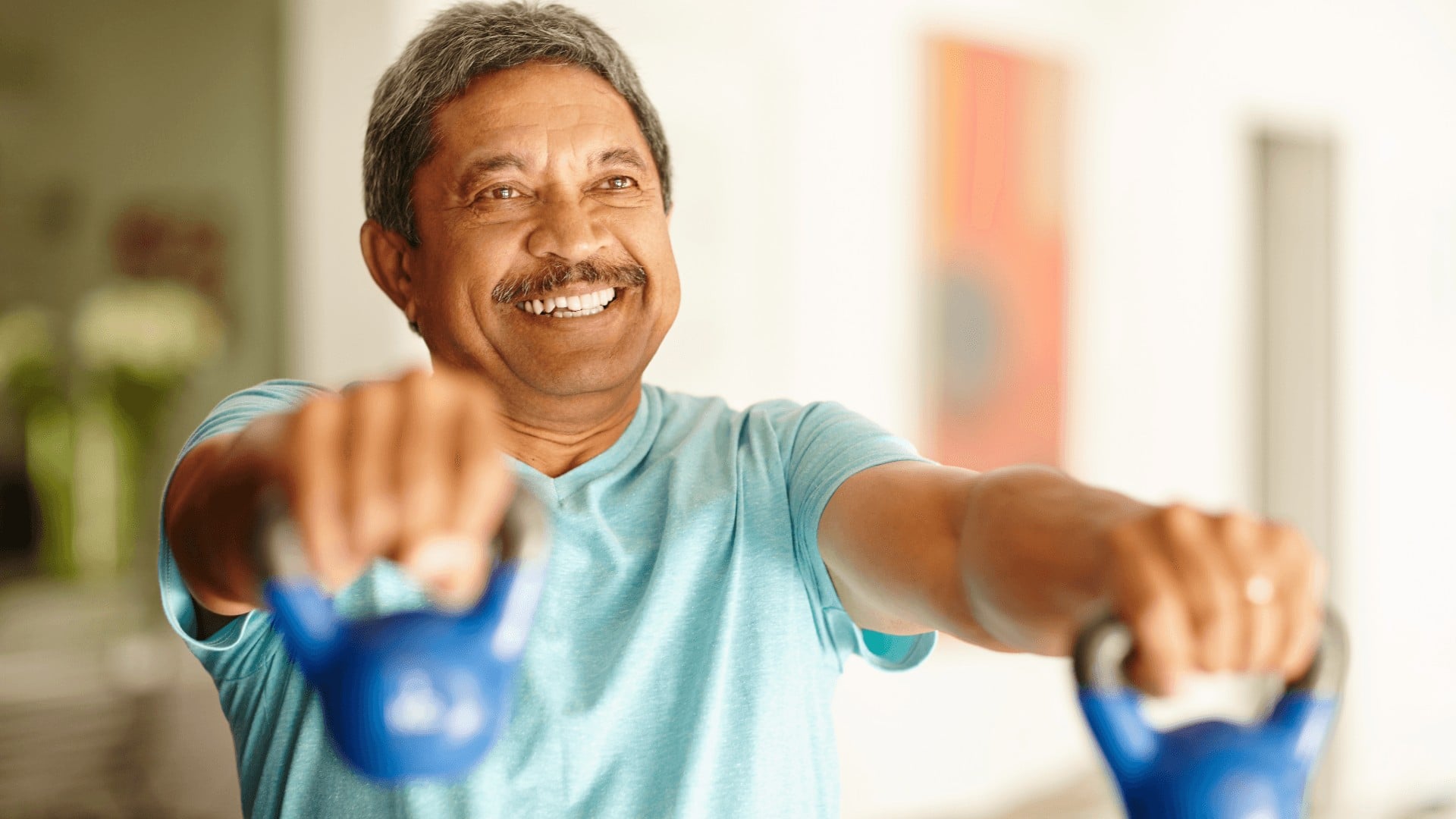
Aging is inevitable. Decline is optional.
Faith, Movement, and Stewarding This Body
Sometimes Christians talk about "presenting your bodies a living sacrifice" (Romans 12:1, NKJV), but then check out when it comes to practical, day-to-day care. But stewardship isn’t just about avoiding donuts (though, let’s be real…). It’s about using your body as a tool—every day—for God’s glory.
Charles Spurgeon said, “A body at rest will rust.” Not only was the man a theological giant, he had a knack for simple wisdom. God didn’t create us to be sedentary. He modeled work and movement in the garden, walking with Adam in the cool of the day. Movement isn’t a punishment—it’s part of design.
“It’s about using your body as a tool—every day—for God’s glory.”
Micro-Movements, Macro Impact
Let’s get practical. You don’t need to be a monk or a Navy SEAL to reap the benefits:
- Walk after meals. Not only does this aid digestion (science backs it), it helps manage blood sugar and gives you a mental reset.
- Set a timer. Every hour, stand up. Stretch. Knock out 10 bodyweight squats or pushups. (I literally keep a kettlebell near my desk and hit a few swings on breaks. Not kidding.)
- Get on the floor. Play with your kids or grandkids. Crawl, wrestle, do some mobility drills. Floors are underrated training grounds.
- Park farther, carry your groceries, take stairs. It adds up.
The aim isn’t to torch calories—it’s to tell your body: “Hey, I still need you.”
But What About Supplements?
Would it be easier if you could just take something and win at longevity? Of course. But real health is always a both/and. Supplements fill in gaps, not replace habits. I use REBUILD after tough sessions because my body needs the extra support—BCAAs, glutamine, and probiotics, especially as I get older. But even the best formula can’t outdo the simple power of movement.
Start Today, Not Tomorrow
The hardest part is starting. Your flesh will resist—trust me (sometimes I’d rather memorize Leviticus than get off the couch). But here’s a bit of tough love from Piper: “God is most glorified in us when we are most satisfied in Him.” If being satisfied in Christ moves you to better care for what He’s given you, move. Not from guilt, but gratitude.
So, what’ll it be? A five-minute walk after dinner? Ten reps before breakfast? Whatever it is, do it today. Your future self—and maybe your family—will thank you.
[^1]: See, for example, Booth, Roberts, & Laye, “Lack of exercise is a major cause of chronic diseases,” Comprehensive Physiology, 2012.
Quick Challenge
This week, set a timer for every hour you’re awake. When it goes off, move—walk, stretch, do a set of squats, pray on your feet. See how you feel after seven days. I’ll bet it’s different.
Let’s not rust. Let’s move—for His glory, and for our good.
Continue the Mission