
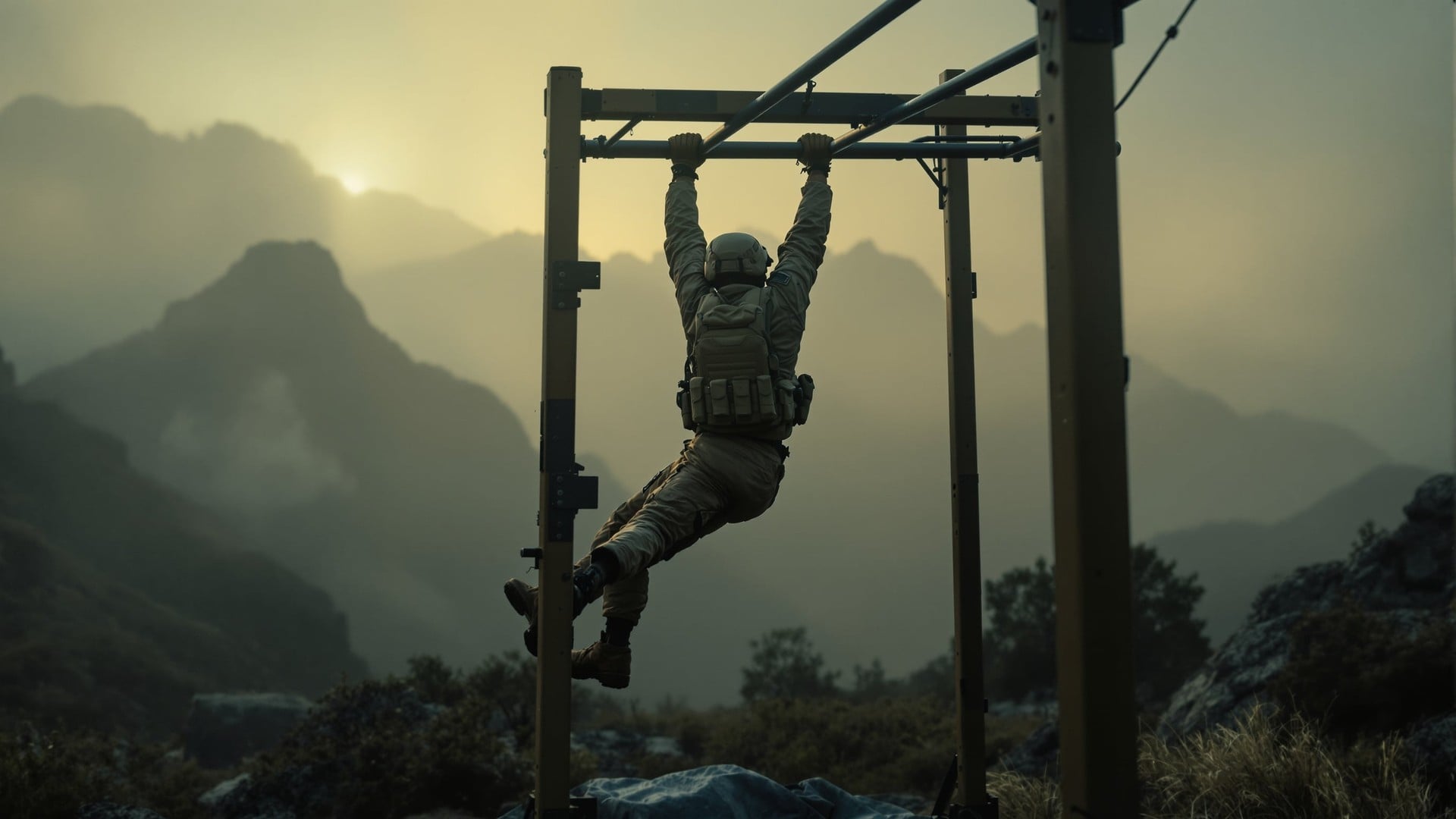
Grip strength is more than a party trick—it’s the foundation for real-world strength. Here’s why it matters and how to build it.
The Forgotten Secret Weapon: Why Grip Strength Still Matters (and What to Do About It)
You ever shake someone’s hand and immediately know they mean business? Not in a weird, let’s-have-an-arm-wrestling-contest way, but in that quiet, unspoken “I’ve spent some time under a barbell” sort of way. Grip strength does that. It says something—about your training, your health, and, weirdly enough, your approach to life.
But here’s the thing: most folks don’t really train it. We worry about big numbers on the squat or achieving that first pull-up, but if your grip is weak, good luck holding onto the bar when things get serious. I’ve had it happen. There’s nothing quite as humbling as deadlifting a new PR, feeling strong, and then—bam—your grip goes before your legs do. Let’s talk about why grip strength still matters (and how to fix yours if it’s lagging).
Why Grip Strength is More Than Just Handshakes
First, let’s get practical. Strong hands don’t just help in the gym. Carrying groceries, opening jars, holding onto kids at the playground—these are real-life tests of functional strength. A good grip connects your body to the world around you. No grip, no transfer of power.
But here’s what most people miss: grip strength isn’t just a “nice to have.” Research keeps linking it to overall health, longevity, and, believe it or not, mortality risk. That’s right—a firm handshake at 70 says a lot about your entire body. I’m not making this up. In fact, I remember reading a study last year that said grip strength was a better predictor of cardiovascular health than blood pressure in older adults. Wild, right?
And if you’re thinking, “Well, I’m not in my seventies,” let me stop you. Weak grip shows up earlier than you think. It affects your ability to train hard, to go heavy, to push your limits. It’s like John Piper says about the Christian life—“God is most glorified in us when we are most satisfied in him.” If you’re limited by your grip, you’re not able to fully express the strength God’s given you. You’re not using your talents to the fullest.
Iron sharpens iron. Get under the bar.
The Real Reason Your Grip Is Weak
Most of us think our grip is fine because we “hold weights” all the time. But look closer: how much of your training involves straps, thick handles, or machines that don’t demand much from your hands? And how often do you actually challenge your grip, not just your back or legs?
I fell into this trap early on. I’d hammer away on rows and pull-ups, add a few sets of curls, and call it good. My hands? They barely got a workout. Then I tried farmer’s carries one day—holy cow. My forearms lit up like bonfires. It was like discovering an entire muscle group I’d ignored.
“The Forgotten Secret Weapon: Why Grip Strength Still Matters (and What to Do About It) You ever shake someone’s hand and immediately know they mean business.”
How to Build Real-World Grip Strength
So what do you do? Start simple. Here’s my go-to grip “prescription”—no fancy gadgets, no circus tricks, just battle-tested moves:
-
Farmer’s Carries: Pick up two heavy dumbbells or kettlebells. Walk. Don’t drop them. Sounds simple—feels brutal. Do this once or twice a week. Start light, progress slowly.
-
Dead Hangs: Hang from a pull-up bar for time. No swinging, just hang. First time I tried, I barely made 40 seconds. Work up to 90 seconds without dropping.
-
Plate Pinches: Grab two weight plates (smooth sides out), pinch them together, hold and walk. This will humble you quick.
-
Heavy Holds: Just stand with a heavy barbell at your sides (like the top of a deadlift). Hold until your grip fails. Rest, repeat.
-
Ditch the Straps (Sometimes): I know, straps have their place. But try going strapless for some sets—your hands will adapt.
You don’t need to turn grip training into a new obsession. Ten minutes a week, split up over a few days, can make a world of difference. (And yes, you’ll notice it the next time you carry all 12 grocery bags in one trip. That’s victory.)
Stewardship Isn’t Just for Finances
Here’s where the faith piece comes in. Scripture calls us to steward what we’ve been given—bodies included. As Herman Bavinck wrote, “God does not wish to redeem us only as souls, but as total human beings.” If strength is a gift, let’s not neglect the details. Even the little muscles matter. Even grip strength.
I like to think of these small disciplines—training my grip, prepping my meals, setting aside time for recovery—as little acts of obedience. Not always glamorous. Definitely not as impressive as a 400-pound deadlift. But necessary. And, honestly, they’re the kind of daily faithfulness God uses to shape us through the ordinary.
The MissionFit Angle
If you’re already training hard, great. But if your grip is the bottleneck, maybe it’s time to give it a little love. (And yeah, if you’re tackling extra-tough workouts or long sessions, having the right recovery—nutritional or otherwise—doesn’t hurt. That’s why I never skip my post-workout shake anymore. Rehab for your hands, your gut, your everything.)
So—next time you walk into the gym, don’t just think about your big lifts. Give your grip a challenge. You’ll thank me the next time you shake someone’s hand—or open that stubborn pickle jar. Trust me.
“Whatever your hand finds to do, do it with your might...” (Ecclesiastes 9:10, NKJV)
Continue the Mission